

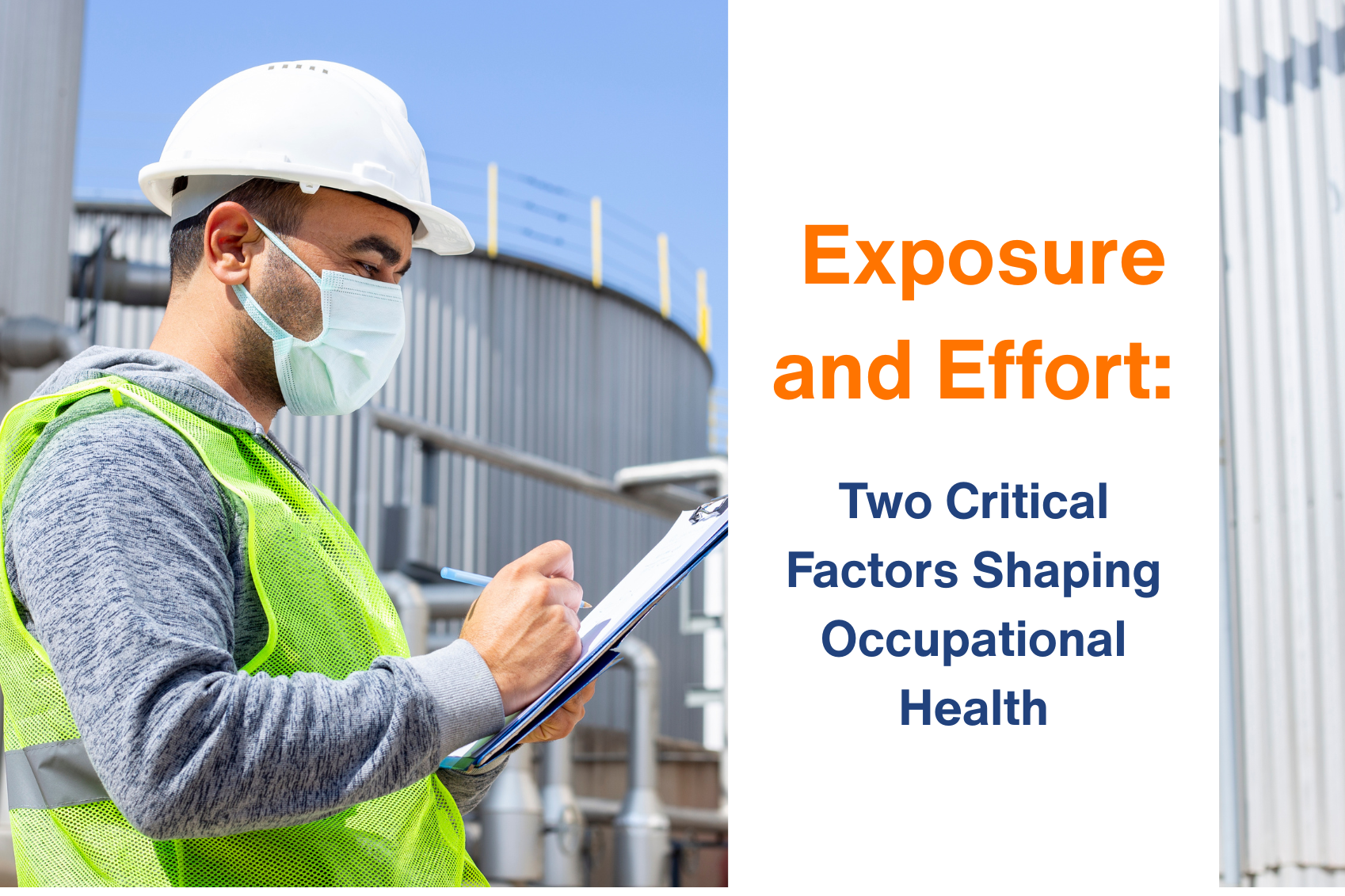
Exposure and Effort: Two Critical Factors Shaping Occupational Health
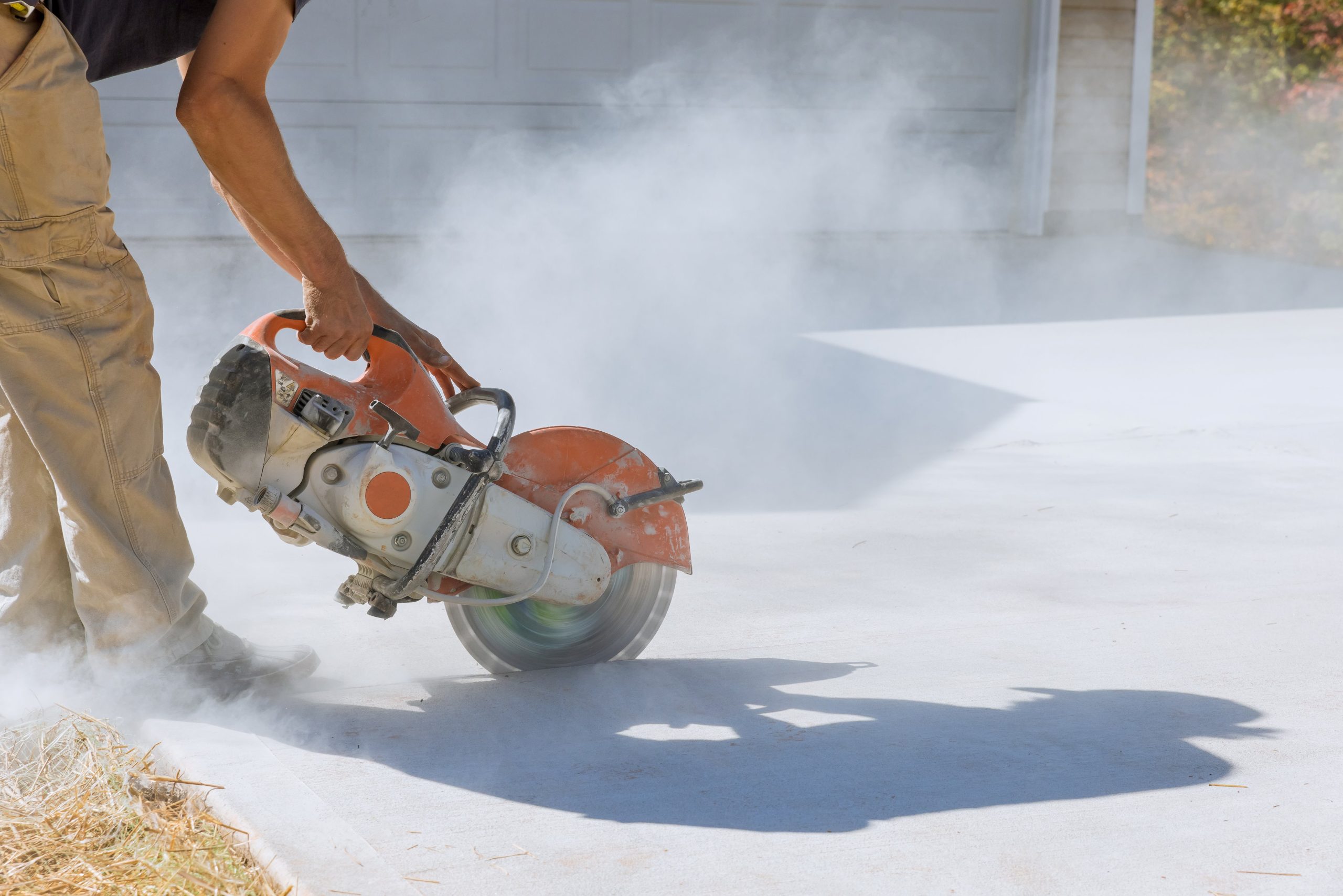
At the OH2026 Conference Damien Mclvenny and Sasha Crookston both gave presentations exploring different aspects of occupational exposure. However, both presentations highlighted the same challenge: understanding worker risk requires more than simply measuring contaminants in the workplace.
Damien’s presentation examined more than 70 years of styrene exposure data in the glass reinforced plastics (GRP) industry, while Sasha’s presentation questioned whether traditional exposure monitoring fully captures the dose workers receive. Together, they provided valuable insight into the future of occupational hygiene.
Styrene is a widely used industrial chemical found in plastics and composite materials. Workers in the GRP industry have historically experienced some of the highest occupational exposures, primarily through inhalation.
Interest in styrene exposure has increased since 2019, when the International Agency for Research on Cancer (IARC) classified styrene as “probably carcinogenic”, with evidence linking exposure to acute myeloid leukaemia (AML) and certain lymphomas.
Damien’s presentation highlighted a major international study that analysed more than 21,000 exposure measurements from Norway, Sweden, the UK and the USA. The final dataset included 14,440 high-quality personal exposure measurements covering 1962 to 2018, with estimates extended back to 1947 and forward to 2020.
What made the research particularly valuable was the level of detail captured alongside each measurement. Researchers considered factors such as job role, production process, product type, ventilation, PPE use and sampling methods, allowing for more accurate exposure modelling than previous studies.
One of the most positive findings was a clear long-term reduction in exposure levels. Styrene concentrations decreased by around 7% per year on average, reflecting improvements in workplace controls, technology and industrial hygiene practices. However, reductions were not consistent over time, suggesting that regulation and industry changes influenced progress at different stages.
The study also identified exposure differences between countries, particularly before 2000. While factors such as safety culture and regulatory requirements may contribute, the reasons remain unclear and warrant further investigation.
A key outcome of the project was the creation of a retrospective exposure matrix covering 1947 to 2020. This allows researchers to estimate worker exposures even when direct measurements are unavailable, providing a stronger evidence base for future occupational health studies.
While Damien’s presentation focused on exposure levels, Sasha’s presentation focused on exposure dose.
The central message was simple: the harder you work, the more you breathe.
As physical effort increases, breathing rate and ventilation increase significantly. A worker at rest may inhale 6-8 litres of air per minute, while someone carrying out heavy physical work may inhale up to 100 litres per minute.
This means that two workers exposed to the same airborne concentration may receive very different doses depending on how physically demanding their tasks are.
Research highlighted during the presentation demonstrated a clear relationship between workload and chemical uptake. As work rate increased, participants absorbed more contaminants, even when airborne concentrations remained unchanged.
This challenges a limitation of traditional exposure monitoring. Personal air sampling measures contaminant concentrations in the breathing zone, but it does not account for how much air a worker actually inhales.
The presentation explored growing interest in assessing exposure based on uptake rather than concentration alone. Researchers are investigating methods such as wearable devices, heart-rate monitoring and perceived exertion scales to better understand how work rate affects dose.
While there is currently no standardised approach, incorporating work rate into exposure assessments could help create a more accurate picture of worker risk.
Both presentations reinforced an important principle: understanding occupational exposure requires looking beyond environmental measurements alone. Whether examining decades of styrene exposure data or the impact of physical effort on breathing rates, the goal remains the same: gaining a clearer understanding of the dose workers receive and how best to protect their health.