Occupational hygiene service

Local Exhaust Ventilation Testing

IOM examines and tests local exhaust ventilation systems to confirm they control airborne hazards, protect employees and meet legal requirements.

Service overview

Is your ventilation protecting people?

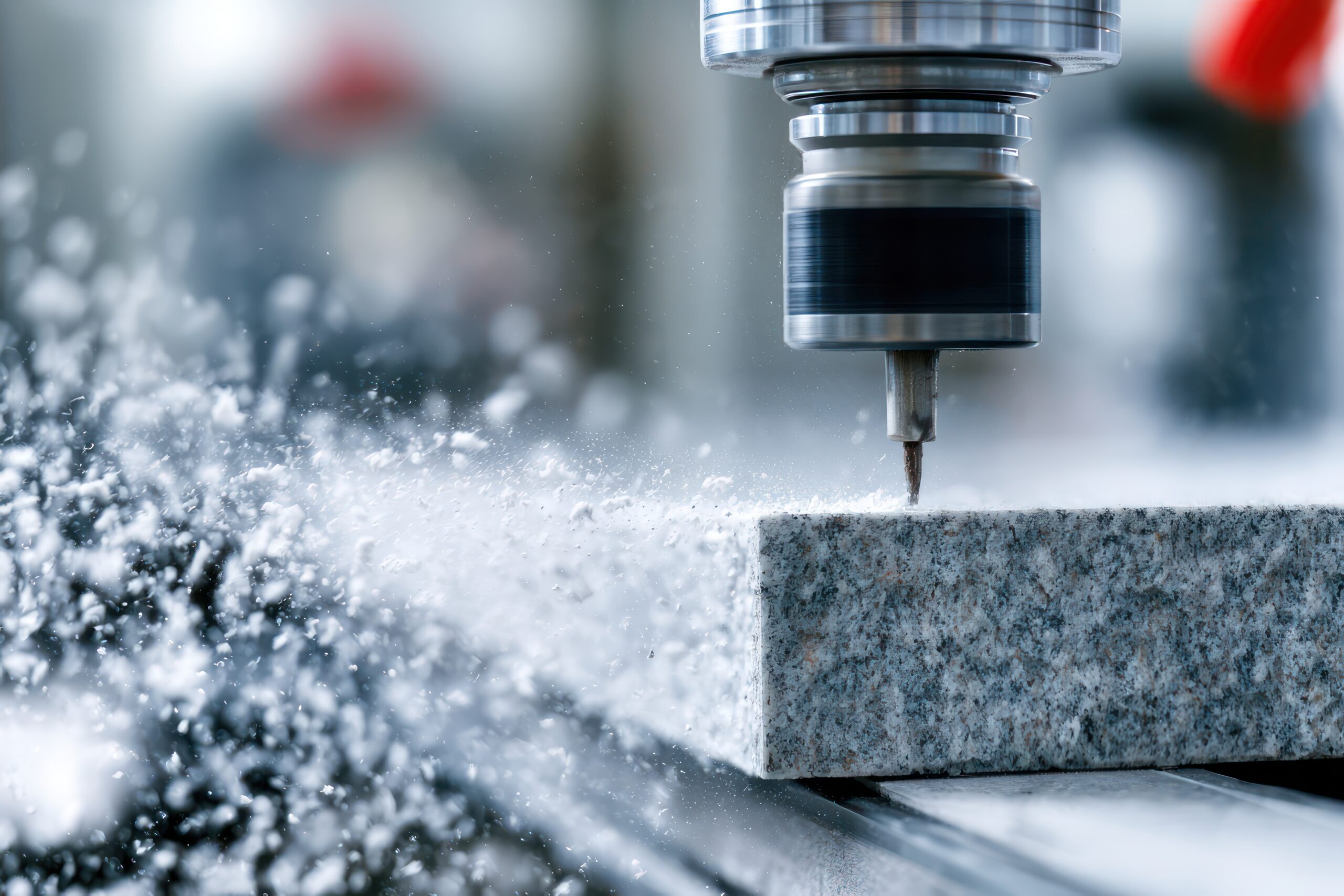
Local exhaust ventilation (LEV) captures dust, fumes, fibres, vapours and mists before people breathe them in. However, an LEV system only protects employees when it is suitable for the process, maintained correctly and used as intended.

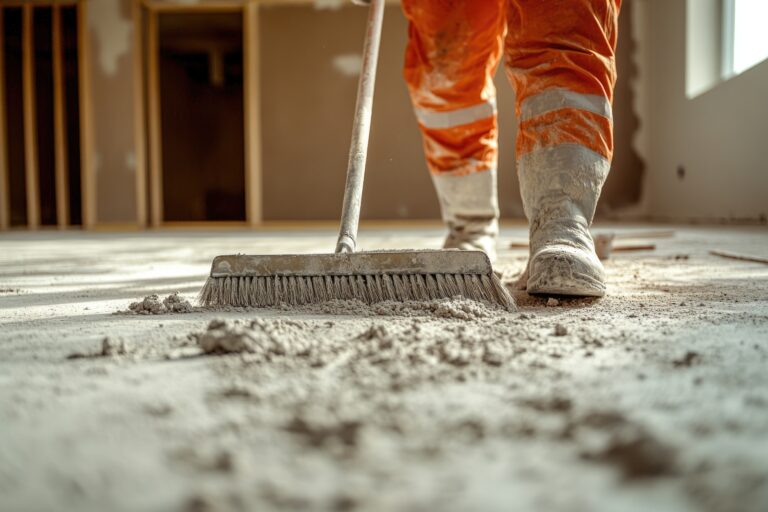
Wear, damage, blockages and changes to equipment or production can reduce performance. These problems may not be obvious during everyday use.
When this service may be needed

  • A statutory thorough examination and test is due
  • Capture appears weak or contaminants remain visible
  • Processes, hoods, ductwork or operating conditions have changed

Practical support

How IOM can help

IOM carries out independent Thorough Examination and Testing of LEV systems in line with Health and Safety Executive guidance HSG258 and the Control of Substances Hazardous to Health (COSHH) Regulations.

Our specialists examine the complete system and assess:

  • Capture performance
  • Airflow and pressure
  • Hoods and enclosures
  • Ductwork and filters
  • Fans and discharge arrangements
  • System condition and maintenance
  • How employees use the system

From evidence to action

Turning evidence into action

We identify faults, explain how they affect protection and prioritise any remedial work. Our recommendations help you improve performance without losing sight of operational requirements.

You receive a clear report showing the condition and performance of your system. This supports maintenance planning and provides evidence for inspections and audits.

We can also work with your employees and maintenance teams to improve how the system is operated and managed.

Talk to our LEV specialists about examining or improving your system.

What the service includes

Review the system from capture hood through ductwork, filters, fan and discharge.
Measure airflow, pressure and other relevant performance parameters.
Identify wear, damage, blockages and maintenance issues.
Assess how employees use the system and where operation can improve.

What you receive

Clear evidence and usable next steps

  • Thorough examination and test findings
  • System condition and performance evidence
  • Prioritised remedial actions
  • Clear report supporting maintenance, inspections and audits

Get practical advice for your organisation.

Request a quote

Tell us what you need to achieve and your enquiry will be directed to the most appropriate team.

Speak to an expert