Dust sample analysis
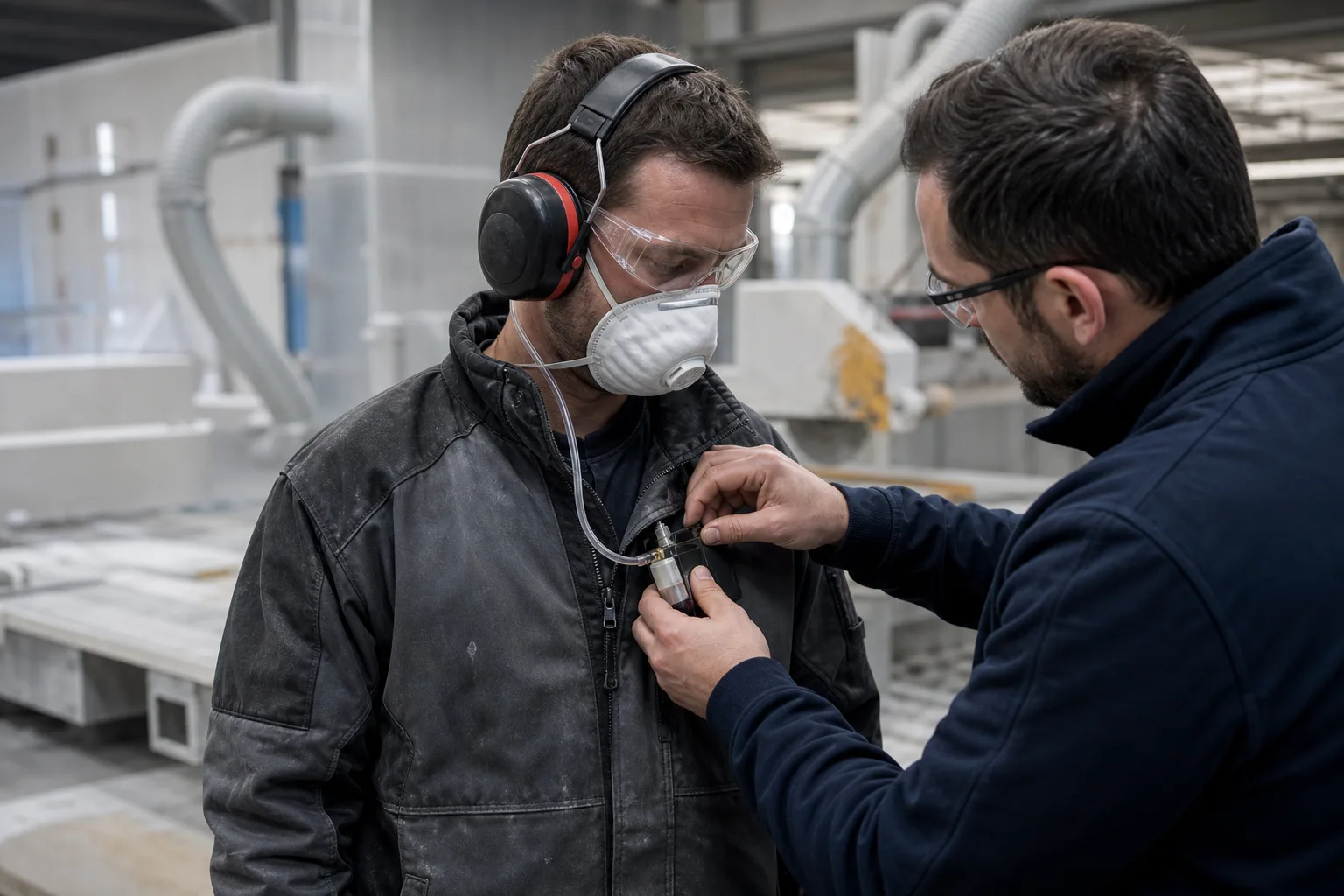
Measuring the amount of airborne dust is the first step in understanding workplace exposure.
We carry out gravimetric analysis of filter samples to determine the amount of dust collected. Samples can then be analysed further to identify hazardous substances, including respirable crystalline silica.
The results help you:
- Understand the level of workplace dust exposure
- Identify potentially hazardous components
- Assess whether existing controls are effective
- Decide where further investigation or action is needed
Respirable crystalline silica analysis
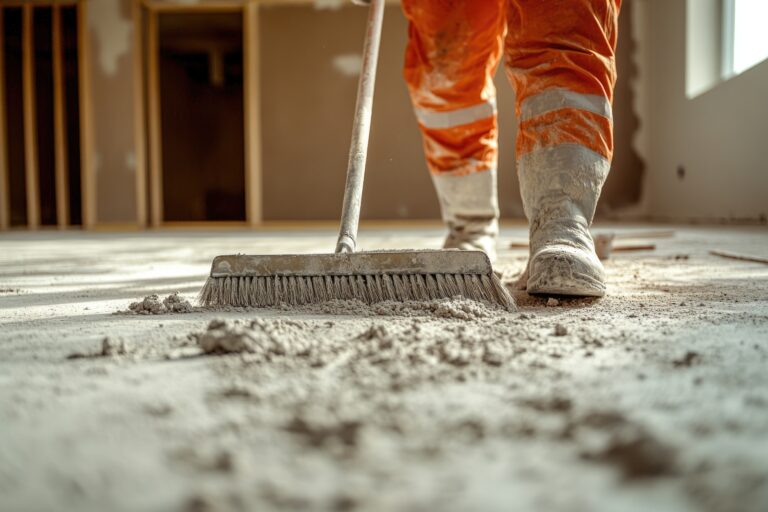
Respirable crystalline silica (RCS) is produced when materials containing silica—such as stone, concrete, bricks, mortar and sand—are cut, drilled, crushed or otherwise disturbed.
The finest particles can be breathed deep into the lungs. Prolonged exposure can cause serious conditions, including silicosis and lung cancer.
You may not know whether dust contains RCS or how much is present. IOM analyses air-monitoring samples to identify and quantify crystalline silica, providing the evidence needed to assess exposure and manage the risk.
Our analysis can detect quartz, the most common form of crystalline silica, and other phases such as cristobalite that may be present in high-temperature processes and refractory materials.
FTIR and XRD analysis
Fourier-transform infrared spectroscopy (FTIR) and X-ray diffraction (XRD) are used to identify and quantify crystalline silica and other materials.
Each method has different strengths. We select the most appropriate technique based on the sample, the substances likely to be present and the information you need.
FTIR analysis
FTIR uses infrared light to create a chemical fingerprint of the sample. It is commonly used to identify and quantify quartz in dust collected from industries such as quarrying and stone processing.
XRD analysis
XRD uses X-rays to examine the crystalline structure of a material. It can identify different crystalline silica phases, including quartz and cristobalite, and distinguish them from other minerals within the sample.
By comparing the results with reference materials containing known quantities of crystalline silica, we can determine how much is present.
This helps you move from uncertainty about a dust sample to reliable evidence that can inform exposure assessments and control measures.
Dust identification and source investigation
Sometimes the problem is not only how much dust is present, but where it is coming from.
Our scanning electron microscope with energy-dispersive X-ray analysis (SEM-EDX) examines individual particles at high magnification and provides information about their elemental composition.
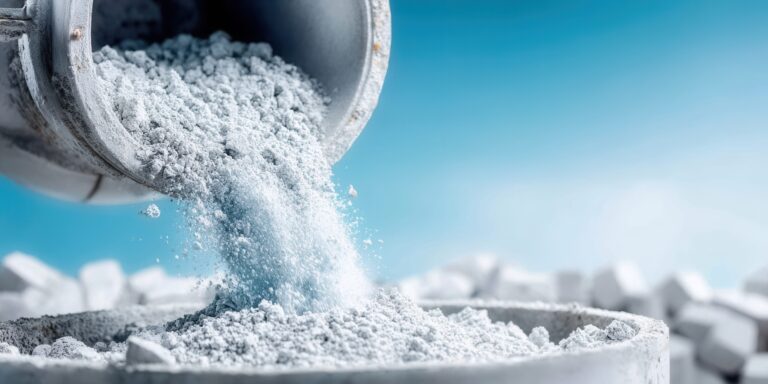
This can help identify or rule out potential sources, such as cement dust, metals or emissions from a nearby process. It can support investigations into:
- Unexpected workplace dust
- Indoor-air concerns
- Environmental dust complaints
- Cross-contamination
- Emissions from industrial processes
- Unusual or unknown materials
We tailor the investigation to the specific problem and explain the findings clearly.
Workplace monitoring and expert advice
A laboratory result is most useful when it is considered alongside the work being carried out, the people exposed and the controls already in place.
IOM’s laboratory analysts work alongside our occupational hygienists to help you:
- Plan an appropriate sampling strategy
- Monitor personal and workplace exposure
- Select the right analytical method
- Interpret laboratory findings
- Assess results against relevant exposure limits
- Identify possible dust sources
- Evaluate existing control measures
- Recommend practical improvements
This integrated approach helps you understand the hazard, assess the risk and take proportionate action to manage it.