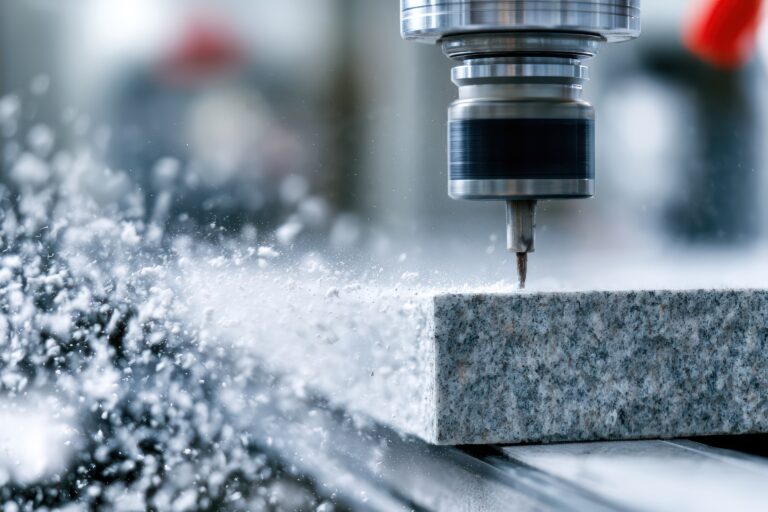
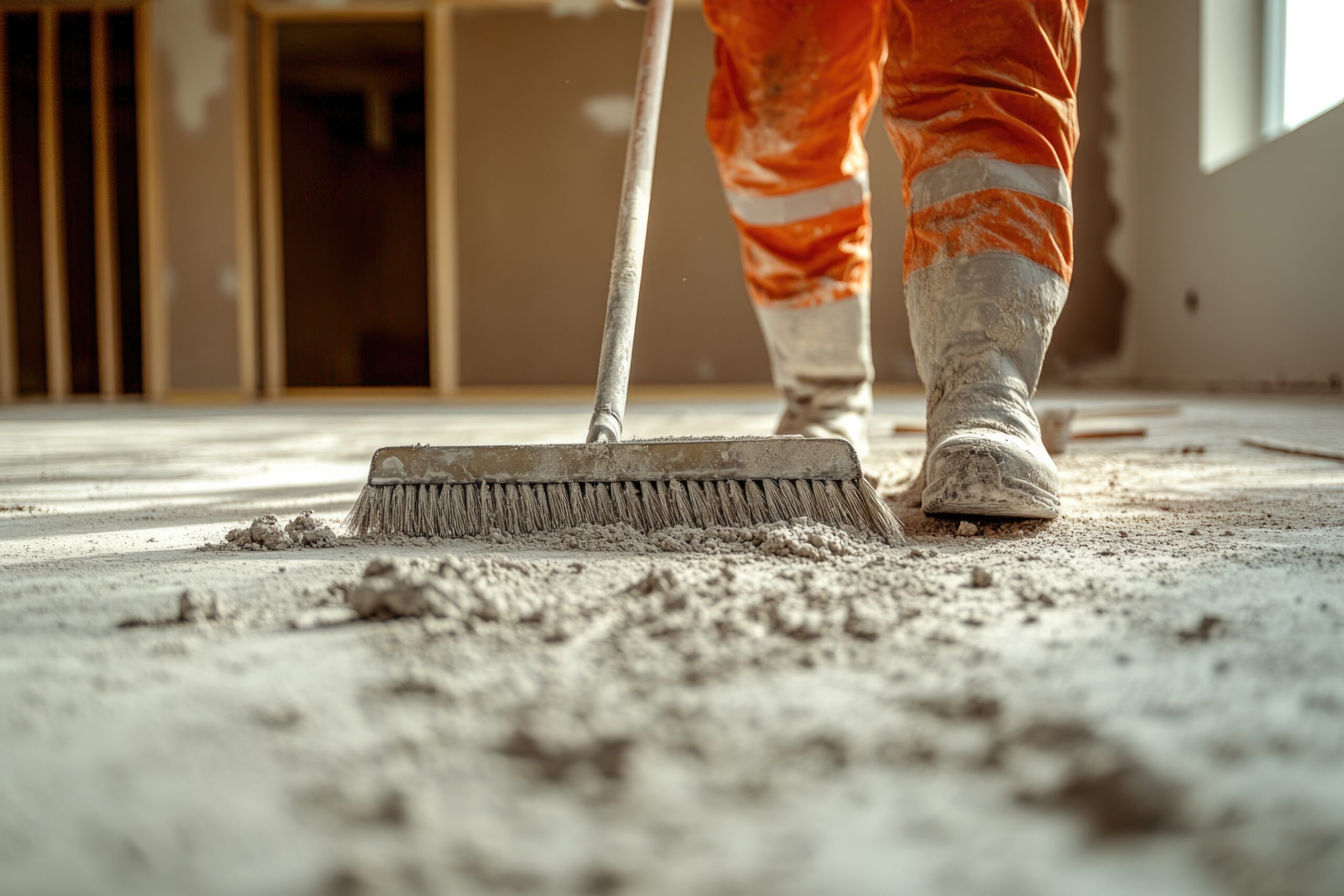
Activities such as welding, manufacturing, woodworking, pharmaceutical production and construction can release harmful substances into the air. Airborne hazards are not always visible. Without accurate monitoring, you may not know how much employees are breathing in or whether your existing controls provide effective protection.
Practical support
How IOM can help
IOM’s occupational hygienists use personal and static air monitoring to measure airborne contaminants. We combine the results with careful observations of workplace tasks, processes and control measures.
Where a relevant Workplace Exposure Limit (WEL) exists, we compare the results against it. We also consider recognised guidance and whether exposure has been prevented or adequately controlled under the Control of Substances Hazardous to Health (COSHH) Regulations.
From evidence to action
Turning evidence into action
We do more than provide monitoring data. We explain what the results mean, identify the activities creating the greatest risk and assess whether your controls work in practice.
Our recommendations may include improvements to:
- Process design and containment
- Local exhaust ventilation
- Working methods and maintenance
- Respiratory protective equipment
- Employee information and training
You receive a clear report that prioritises action and provides evidence to support inspections, audits and ongoing risk management.
Talk to our occupational hygiene team about monitoring airborne exposure in your workplace.