Laboratory service

Microbiology Testing

IOM provides specialist testing and practical advice to identify mould, bacteria and bioaerosols, explain the findings and help you protect the people using your buildings.

Service overview

Identify biological hazards and manage the risk

Mould, bacteria, bioaerosols and endotoxins can present health risks in buildings, workplaces and industrial environments. Without reliable testing, it can be difficult to understand what is present, assess potential exposure and decide what action is needed.

IOM provides specialist microbiology testing and practical advice to help organisations investigate biological contamination, understand potential health risks and identify appropriate control measures
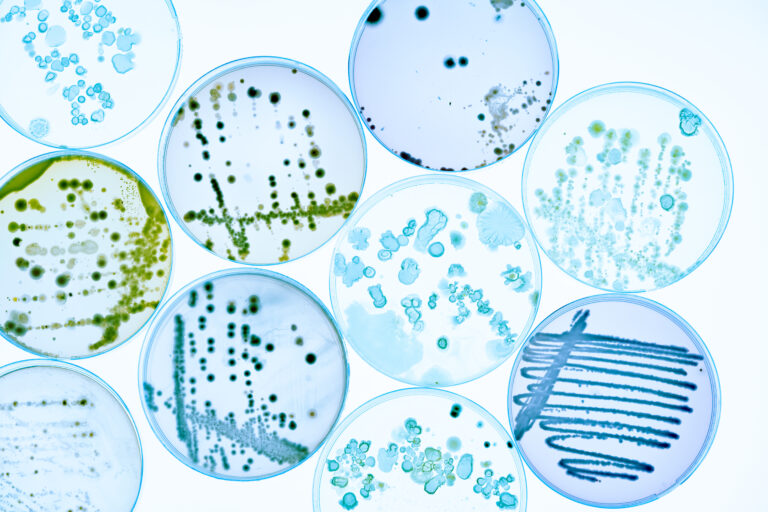
When this service may be needed

  • Mould, damp or microbial contamination is suspected in a building or workplace
  • Air quality or potential exposure to airborne bacteria, fungi or bioaerosols needs to be investigated
  • Exposure to endotoxins or biological dust is a concern, particularly in waste handling, agriculture or industrial processes

Understand the risk

Biological hazards can arise in damp or poorly ventilated buildings, as well as workplaces involving waste handling, agriculture, organic materials and industrial processes.

Exposure to airborne bacteria, mould spores, bioaerosols and endotoxins may contribute to health problems, depending on the type and level of exposure.

Potential health effects include:

  • Respiratory irritation and inflammation
  • Asthma symptoms or worsening existing respiratory conditions
  • Irritation of the eyes, nose and throat
  • Allergic reactions
  • Respiratory infections associated with certain microorganisms

Some people, including those with existing respiratory conditions or weakened immune systems, may be more vulnerable to particular biological hazards.

Practical support

How IOM can help

Our microbiologists and occupational hygienists work together to provide:

  • Mould testing and identification across a range of species
  • Thermophilic Aspergillus testing
  • Bioaerosol testing, including filter supply
  • Total Viable Count testing and identification
  • Endotoxin analysis to assess potential workplace exposure
  • Clear laboratory reports with reliable results
  • Advice on remediation and practical control measures

We talk you through the findings, explain what they mean and help you decide what to do next.

Bioaerosol testing

Airborne bacteria, mould spores and other biological particles can affect workplace air quality and potentially expose people to health risks. These contaminants may arise in damp or water-damaged buildings, waste processing facilities, construction environments and other workplaces.

IOM provides bioaerosol testing, including Total Viable Count (TVC) testing and identification of bacteria and fungi such as Aspergillus. Our laboratory analysis helps organisations investigate microbial contamination, understand potential exposure and identify where further action may be needed.

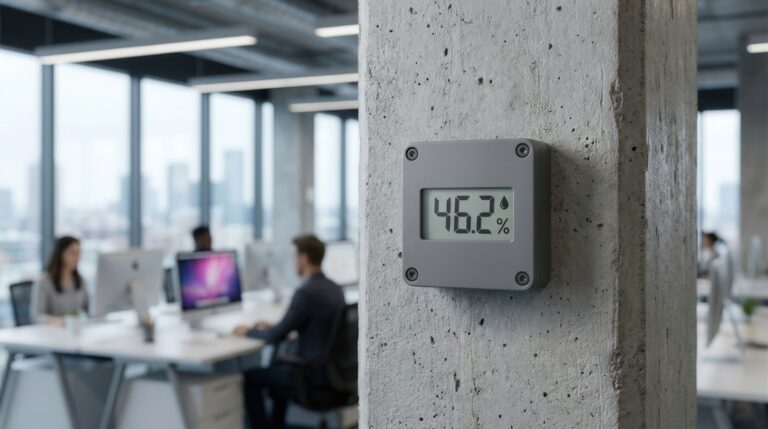
Combined with specialist occupational hygiene advice, our findings support informed decisions about workplace conditions and appropriate control measures.Poor ventilation, limited air circulation and high humidity can create conditions where mould, bacteria and bioaerosols become a concern.

Endotoxin analysis

Airborne dust containing bacterial material can present respiratory health risks, particularly in agriculture, waste and composting facilities, animal-handling environments and industrial workplaces.

Endotoxins are components of Gram-negative bacteria that can become airborne when contaminated materials or dust are disturbed.

IOM provides laboratory endotoxin analysis to support workplace exposure assessments and investigations into biological contamination. Our testing provides evidence to help organisations understand potential exposure, evaluate existing controls and identify practical improvements to protect workers.

Technical assurance

Support your legal responsibilities

In England, Awaab’s Law requires social landlords to investigate and address significant damp and mould hazards within set timescales. Similar requirements will apply to social and private landlords in Scotland from 6 October 2026.

Employers also have wider duties to protect their workforce. The Control of Substances Hazardous to Health Regulations 2002 may apply where employees could be exposed to hazardous biological agents.

IOM’s testing and expert interpretation help you understand the hazard, decide what action is needed and demonstrate how you are managing the risk.

From evidence to action

Turn results into action

Need microbiological testing or advice on the right approach? Our laboratory team can discuss your requirements, advise on appropriate sampling materials and explain how to submit samples for analysis.

Laboratory results are only one part of managing risk. Our specialists help you use the findings to inform risk assessments, investigate possible sources and improve your controls.

This gives you the evidence needed to protect building users, address problems early and maintain healthier indoor environments.

What the service includes

Identify mould across a range of relevant species.
Provide mould and Total Viable Count analysis.
Explain the findings and their significance.
Support risk assessment, source investigation and practical controls.

What you receive

Clear evidence and usable next steps

  • Microbiological test results and identification where applicable
  • Clear laboratory report
  • Interpretation of the findings and likely significance
  • Advice on remediation and practical control measures

Get practical advice for your organisation.

Discuss your requirements

Tell us what you need to achieve and your enquiry will be directed to the most appropriate team.

Speak to an expert