Laboratory and occupational hygiene service

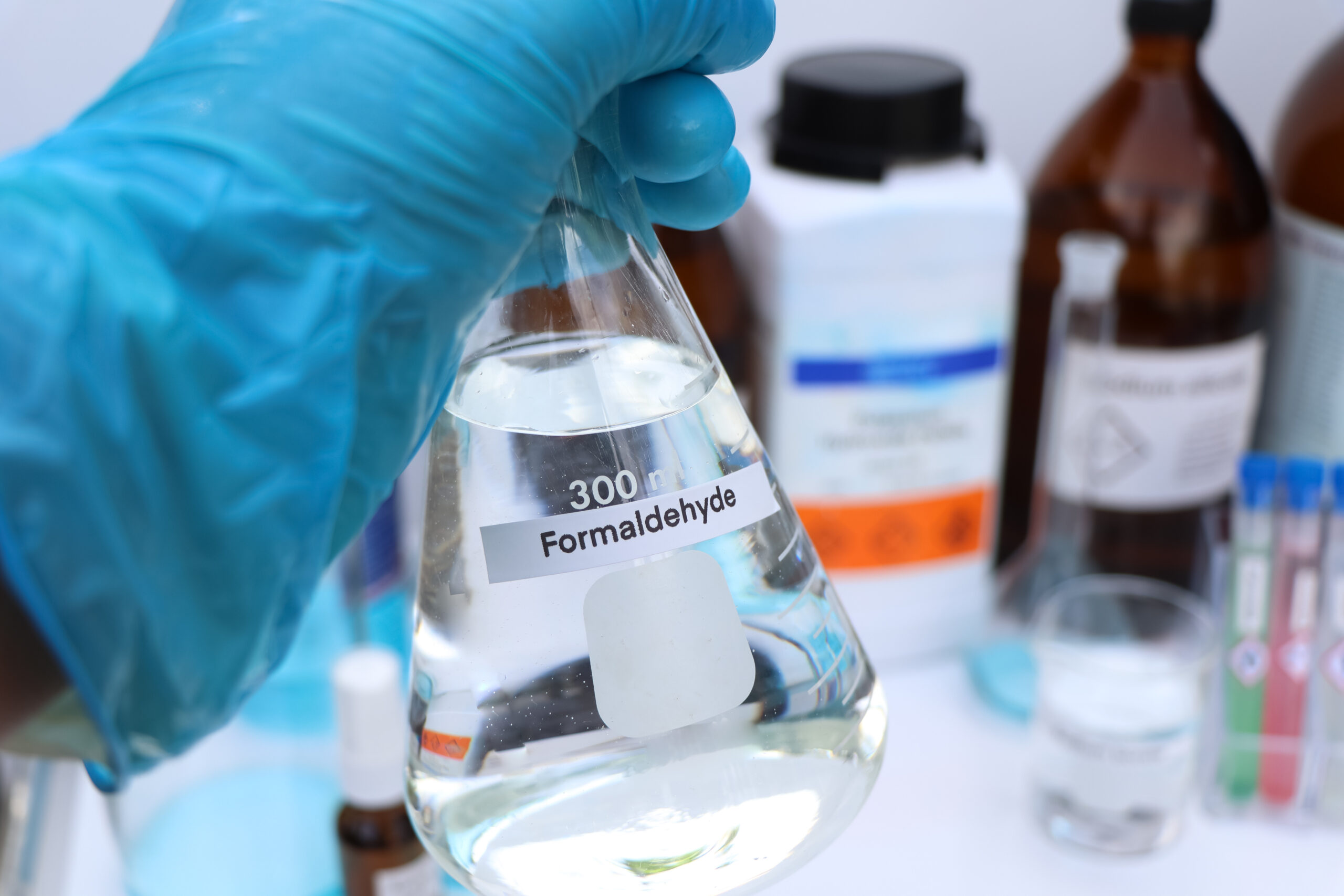
Formaldehyde Exposure Monitoring

IOM provides continuous formaldehyde monitoring and expert occupational hygiene advice to identify exposure peaks, assess your controls and help protect your people.

Service overview

Could exposure peaks be going unnoticed?

Formaldehyde exposure can vary as activities and working conditions change. Without reliable monitoring, exposure peaks may go unnoticed and it can be difficult to know whether your existing controls are working effectively.

We provide continuous monitoring and expert occupational hygiene support. We help you understand exposure, identify problems early and take practical action to protect your people and manage risk.

When this service may be needed

  • Formaldehyde is used to preserve tissue and samples
  • Composite wood products are manufactured or processed
  • Changing activities may create short-term exposure peaks
  • Ventilation or working practices need to be checked for effectiveness

Understand the risk

Formaldehyde is used in tissue and sample preservation, as well as composite wood manufacturing. It is a carcinogen that can pose a serious risk to health if exposure is not properly controlled.

Monitoring over a longer period provides a clearer picture of airborne formaldehyde levels. It can identify when exposure increases, which activities may be contributing and where controls need to improve.

Practical support

How IOM can help

Our occupational hygiene specialists work with you to:

  • Monitor formaldehyde concentrations for up to 24 hours
  • Identify peaks in exposure
  • Assess whether ventilation and working practices are effective
  • Provide early-warning alerts when concentrations rise
  • Review the data and explain what it means
  • Recommend practical measures to reduce exposure
  • Support personal exposure sampling

Results are available through a real-time dashboard, with remote support from IOM’s occupational hygiene team.

From evidence to action

Turn monitoring into action

Data alone does not manage risk. Our experts help you use the findings to improve working practices and strengthen exposure controls.

This allows you to address issues early, reduce exposure to as low as reasonably practicable and support compliance with relevant workplace health regulations.

Wider workplace monitoring

Where required, we can also monitor:

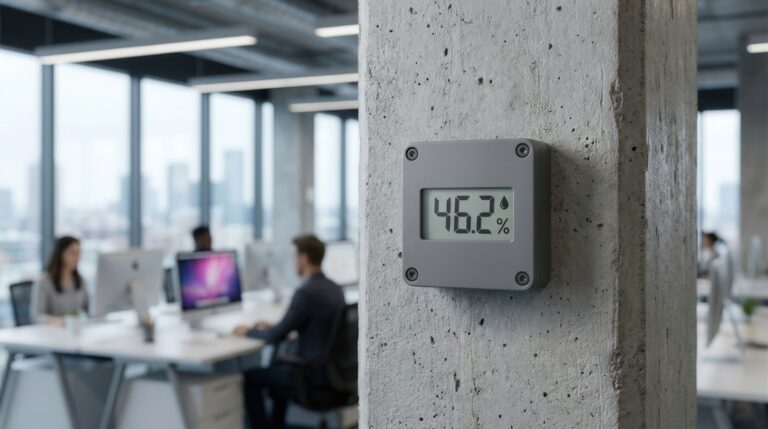
  • Temperature and humidity
  • Pressure and light
  • Carbon dioxide and oxygen
  • Volatile organic compounds
  • Airborne particulate matter

Concerned about formaldehyde exposure? Talk to our occupational hygiene team about a monitoring approach that meets the needs of your workplace.

What the service includes

Monitor formaldehyde concentrations for up to 24 hours.
Identify when exposure rises and which activities may contribute.
Review ventilation and working practices.
Use dashboard data with support from occupational hygiene specialists.

What you receive

Clear evidence and usable next steps

  • Continuous monitoring data and exposure trends
  • Identification of peaks and likely contributing activities
  • Review of ventilation and working practices
  • Practical measures to reduce exposure and strengthen controls

Get practical advice for your organisation.

Request a quote

Tell us what you need to achieve and your enquiry will be directed to the most appropriate team.

Speak to an expert