From 6 October 2026, new requirements for tackling damp and mould will come into force for social and private landlords in Scotland.
The new regulations introduce set timescales for investigating reports of damp and mould, communicating findings to tenants and starting any required repairs.
For landlords, this means having the capacity, processes and expertise to understand problems and take appropriate action within tighter timescales.
What is changing?
From 6 October, social and private landlords in Scotland will be required to:
- Investigate reports of damp and mould within 10 working days
- Provide a written summary of the findings within 3 working days
- Begin any required repairs within 5 working days of the investigation
The challenge
Damp and mould are not always straightforward.
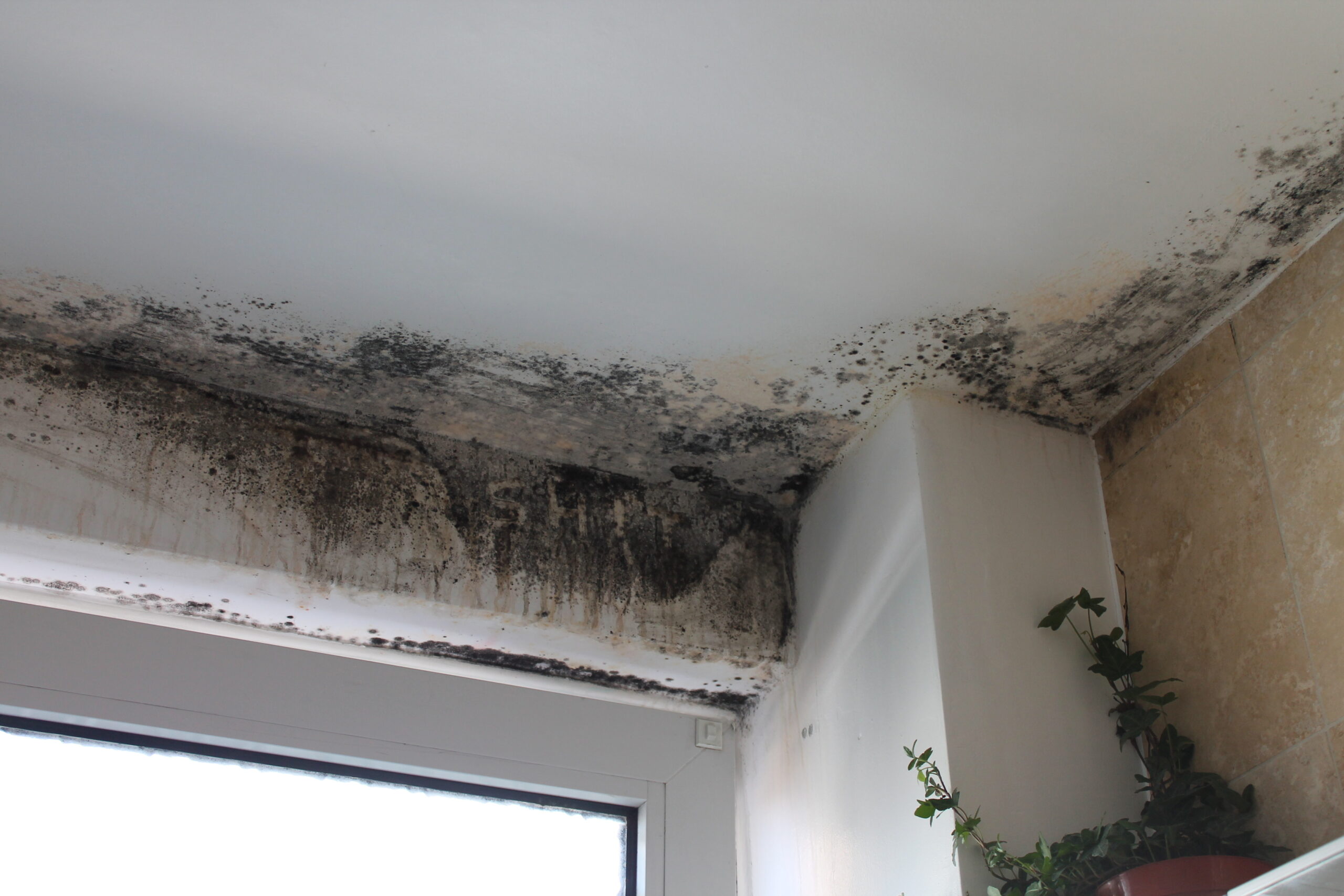
Visible mould may be the first sign of a wider issue. Building defects, water ingress, poor ventilation, high humidity and other environmental conditions can all contribute.
Many landlords already have experienced internal teams managing these problems. However, tighter timescales could increase demand for investigations or create cases where additional specialist expertise and independent evidence are needed.
Understanding what is present, why it is happening and the potential risk can help teams make informed decisions about what action to take.
How IOM can help
IOM can work alongside your existing teams, providing additional capacity and specialist expertise when you need it.
Our occupational hygienists and microbiologists can support you with:
- On-site mould and indoor air quality surveys
- Air and surface sampling
- Mould testing and species identification
- Investigation of potential sources and contributing factors
- Expert interpretation of laboratory results
- Practical recommendations for remediation and control
- Follow-up testing after work is completed to check the area is safe to use again
Our specialists do more than provide laboratory results. We explain what the findings mean and help you use the evidence to decide what action may be needed.
This could include identifying potential sources, assessing the effectiveness of controls or recommending improvements to ventilation, building performance or remediation measures.
Independent findings can also help you demonstrate how a concern has been investigated and managed if your decisions or actions are later questioned or challenged.
Are you ready for 6 October?
As the new requirements approach, consider:
- Do you have enough capacity to investigate reports within the required timescales?
- Do your teams know when specialist testing or investigation may be needed?
- Can you identify the likely source and extent of more complex problems?
- Can you clearly evidence your findings and the action taken?
If you are reviewing your damp and mould arrangements ahead of 6 October, speak to us about how our specialists can support your organisation.