Laboratory and occupational hygiene service

Isocyanate Sampling and Analysis

IOM combines workplace monitoring, accredited laboratory analysis and practical advice to measure isocyanate exposure, assess your controls and help protect your people.

Service overview

Understand and control isocyanate exposure

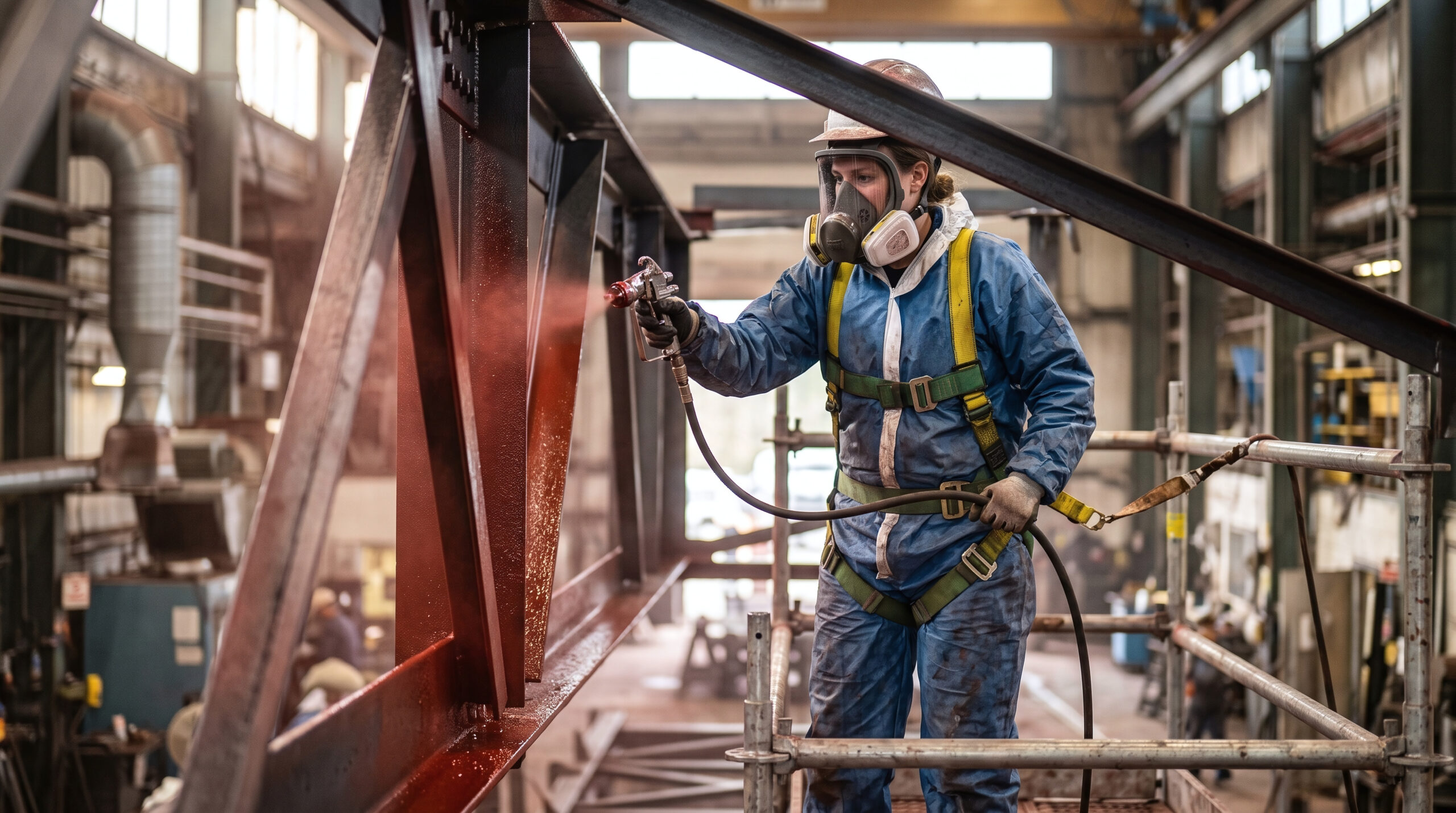
Isocyanates are used in products such as spray paints, foams, adhesives, coatings, resins and insulation. Exposure can occur through breathing in dust, fumes or mist, or through contact with the skin.

You may not know how much your people are exposed to or whether your current controls provide effective protection.

IOM provides workplace monitoring, laboratory analysis and practical advice to help you understand and manage the risk. We measure exposure, explain the findings clearly and help you take action to protect your people and strengthen compliance.

When this service may be needed

  • Spray paints, coatings or other isocyanate products are being applied
  • Foams, adhesives, resins or insulation are manufactured or used
  • Ventilation, working practices or respiratory protective equipment need to be checked
  • Exposure evidence is needed for a Control of Substances Hazardous to Health (COSHH) assessment

Why does isocyanate monitoring matter?

Isocyanates are a leading cause of occupational asthma. They can also cause skin conditions and irritation of the eyes, nose and throat.

Repeated exposure can lead to sensitisation. Once someone is sensitised, even low exposure may trigger asthma symptoms.

Monitoring helps you understand:

  • Where exposure occurs
  • How much workers may be exposed to
  • Whether relevant workplace exposure limits are being met
  • Whether your controls are working
  • Where improvements are needed

Why choose IOM?

IOM combines laboratory analysis with occupational hygiene and workplace risk-management expertise.

This means we can support you from identifying a potential problem through to monitoring, interpretation and practical control.

Our clients benefit from:

Workplace monitoring and laboratory analysis through one team

Established Health and Safety Executive methods

Direct access to experienced specialists

Clear reports and practical recommendations

Independent evidence to support compliance and risk-management decisions

How can we help?

How are air samples analysed?

We analyse workplace air samples using high-performance liquid chromatography (HPLC) and the Health and Safety Executive’s MDHS 25/4 method.

Our analysis can measure total isocyanate exposure and common individual isocyanates, including:

  • Hexamethylene diisocyanate (HDI)
  • Methylene diphenyl diisocyanate (MDI)
  • Toluene diisocyanate (TDI)

The results can be assessed against the relevant workplace exposure limit and used to support compliance with the Control of Substances Hazardous to Health (COSHH) Regulations.

Can IOM carry out workplace monitoring?

Yes. Correct sampling is essential if the results are to reflect what happens during normal work.

If you do not have the equipment, licence or expertise needed to collect samples, our occupational hygienists can carry out monitoring at your workplace.

We can:

  • Review the products and processes involved
  • Identify potential sources and routes of exposure
  • Plan and carry out workplace sampling
  • Arrange laboratory analysis
  • Assess results against relevant limits
  • Review existing controls
  • Recommend practical improvements

This gives you clear evidence about exposure across the task, rather than an isolated laboratory result.

What happens after testing?

A result may confirm that exposure is occurring, but it does not always explain why or what to do next.

Our analysts and occupational hygienists consider the findings alongside your processes, working methods and existing controls. Where action is needed, we can help you review:

  • Enclosed working systems
  • Local exhaust ventilation
  • General ventilation
  • Working practices
  • Respiratory protective equipment
  • Protective clothing and skin controls
  • Staff information and training
  • The need for further monitoring

You receive a clear report explaining the findings and practical recommendations to help you reduce exposure and manage the risk.

Talk to our specialists

Manage your isocyanate exposure risks

Tell us which products and processes you use and what you need to understand. Our team will help you select the right monitoring approach, interpret the findings and identify the next steps.

What the service includes

Plan and carry out representative monitoring during normal work.
Analyse samples using an appropriate established method.
Assess findings against relevant limits and workplace conditions.
Review ventilation, working practices, RPE, skin controls and training.

What you receive

Clear evidence and usable next steps

  • Sampling plan and workplace monitoring where required
  • Laboratory results for total or individual isocyanates
  • Interpretation alongside the task and controls
  • Clear recommendations to reduce exposure and manage risk

Get practical advice for your organisation.

Request a quote

Tell us what you need to achieve and your enquiry will be directed to the most appropriate team.

Speak to an expert